
Commercial Services
Commercial
Domestic Services
Domestic
Biodiversity is a cornerstone of healthy ecosystems, and nowhere is this more apparent than in Britain’s ancient and semi-natural woodlands. But these habitats don't thrive on neglect. Contrary to popular belief, “leaving nature to it” isn’t always the best course — especially in managed woodlands shaped by centuries of human influence.
At The Roots Company, we specialise in practical, sustainable woodland management that puts biodiversity front and centre. From Bristol to across the South West, we help woodland owners, councils, and land agents create resilient green spaces where wildlife flourishes.

Biodiversity refers to the range of species — plant, animal, fungal, and microbial — living within an ecosystem. A biodiverse woodland includes:
The more diverse these layers are, the more stable and resilient the woodland becomes. Biodiversity supports pollination, seed dispersal, pest control, and soil health — all vital processes for woodland longevity.
Although some untouched forests do exist, most British woodlands are semi-natural or previously managed spaces. Left completely alone, they often degrade in biodiversity.
Common issues in unmanaged woodland:
Management doesn’t mean over-intervention. It means thoughtful actions that mimic natural disturbance, maintain diversity, and support regeneration.
Explore how we apply this approach at The Roots Company’s Woodland Management services page.

Reducing overcrowded or poor-quality trees opens gaps in the canopy. This allows light to reach the woodland floor, encouraging wildflowers, grasses, and shrubs to grow.
A traditional technique, coppicing involves cutting trees back to encourage regrowth. This creates a varied structure over time and supports species that depend on open, young woodland.
Standing and fallen deadwood is essential for hundreds of invertebrate species, fungi, and nesting birds. Rather than removing all “untidy” material, we manage deadwood to balance safety with ecology.
Species like Japanese knotweed, sycamore, or dense rhododendron can outcompete native plants. Careful removal protects biodiversity and restores natural balance.
Open spaces within woodland support butterflies, bees, and sun-loving plants. Paths and clearings also improve access for monitoring and public engagement.
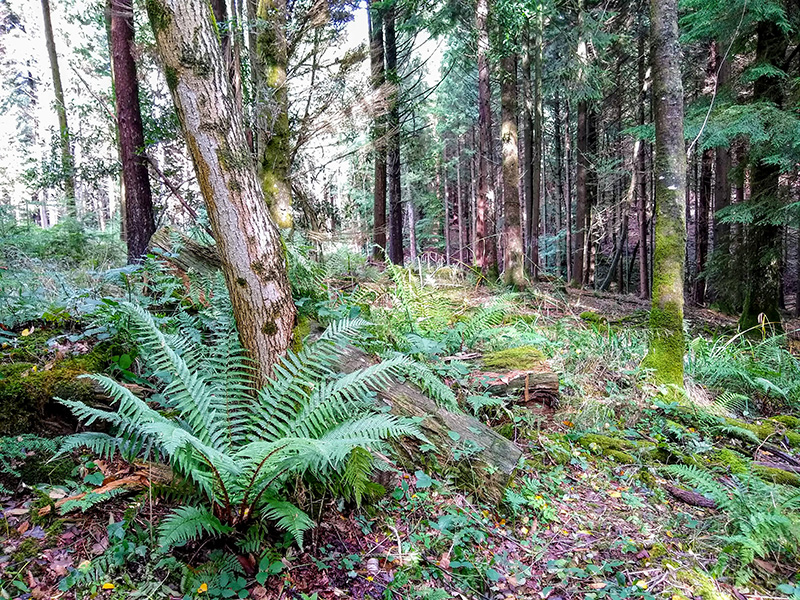
Every woodland has different goals — some are for recreation, some for timber, others for conservation. A clear management plan helps define what biodiversity looks like in context, and how to get there safely and legally.
A professional woodland management plan may include:
At The Roots Company, we create practical plans that can be used for internal stewardship or to support Biodiversity Net Gain (BNG) reporting.

We bring together environmental knowledge and on-the-ground experience. Our team includes:
We’re also:
With over 10 years serving Bristol, Bath, and surrounding counties, we understand the ecological challenges and local regulations that shape woodland care in the South West.
Promoting biodiversity isn’t about doing more. It’s about doing the right things at the right time. Whether you manage a few acres of woodland or are looking to restore neglected green space, expert guidance helps ensure your efforts support life for decades to come.
To learn more about practical woodland management with biodiversity in mind, visit our Woodland Management service page or get in touch for advice.
Learn about our team on the About Page
Use our Contact Form to book a free consultation
Let’s create woodlands that work for nature — and for the future.